
AI is rapidly changing the landscape of scholarly publishing—from detecting image manipulation and plagiarism to assisting with reviewer matching and assessing statistical rigor. But as these tools become more embedded in editorial workflows, they also raise serious questions around bias, transparency, and ethical oversight.
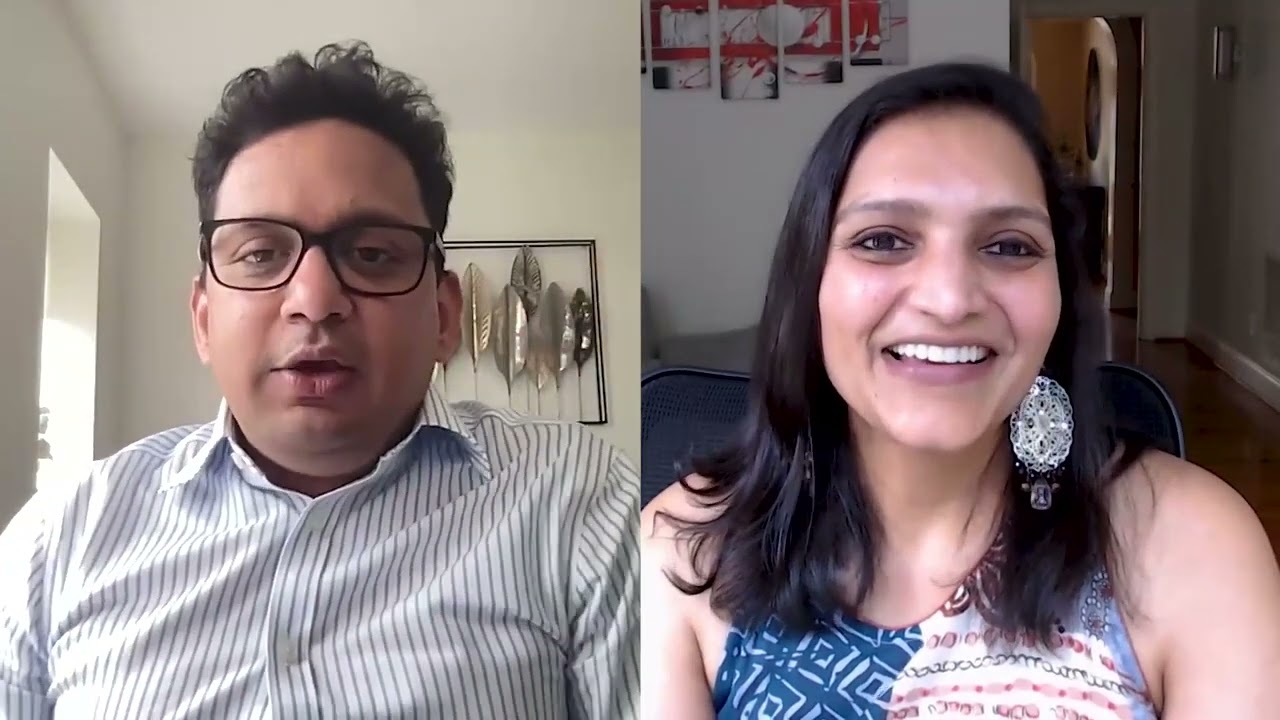
In this episode, Dr. Chhavi Chauhan—a scientist, ethicist, and global voice in responsible AI—joins host Nikesh Gosalia to unpack the complex relationship between humans and algorithms in research publishing. They explore the benefits of AI-powered tools, the critical gaps they can’t yet fill, and what a truly responsible “human + AI” model could look like. The conversation also touches on inclusivity, evolving peer review practices, and how editorial teams can thoughtfully embrace innovation without compromising integrity.
Whether you’re an editor, researcher, or simply curious about the future of academic publishing, this episode offers practical insights and a much-needed ethical lens on AI’s role in science.
Social media links
Nikesh Gosalia:
https://www.linkedin.com/in/nikeshgosalia/
Dr. Chhavi Chauhan
https://www.linkedin.com/in/chhavichauhan/
https://x.com/chhavic
Show notes:
Thank you for listening! Here are links to some of the things that Dr. Chhavi Chauhan discussed with Nikesh in the podcast. We would love to hear from you, so feel free to drop a line at [email protected]
SSP (Society for Scholarly Publishing)
Peer Review Congress
https://peerreviewcongress.org/
AI (Artificial Intelligence)
https://www.britannica.com/technology/artificial-intelligence
Gen AI (Generative AI)
https://aws.amazon.com/what-is/generative-ai/
ChatGPT
https://chatgpt.com/overview/
Large Language Models (LLMs)
https://www.ibm.com/think/topics/large-language-models
GPS
https://www.gps.gov/
LinkedIn
https://www.linkedin.com/
Wikipedia
https://www.wikipedia.org/
Bias Codex https://www.sog.unc.edu/sites/www.sog.unc.edu/files/course_materials/Cognitive%20Biases%20Codex.pdf
source


Leave a Reply